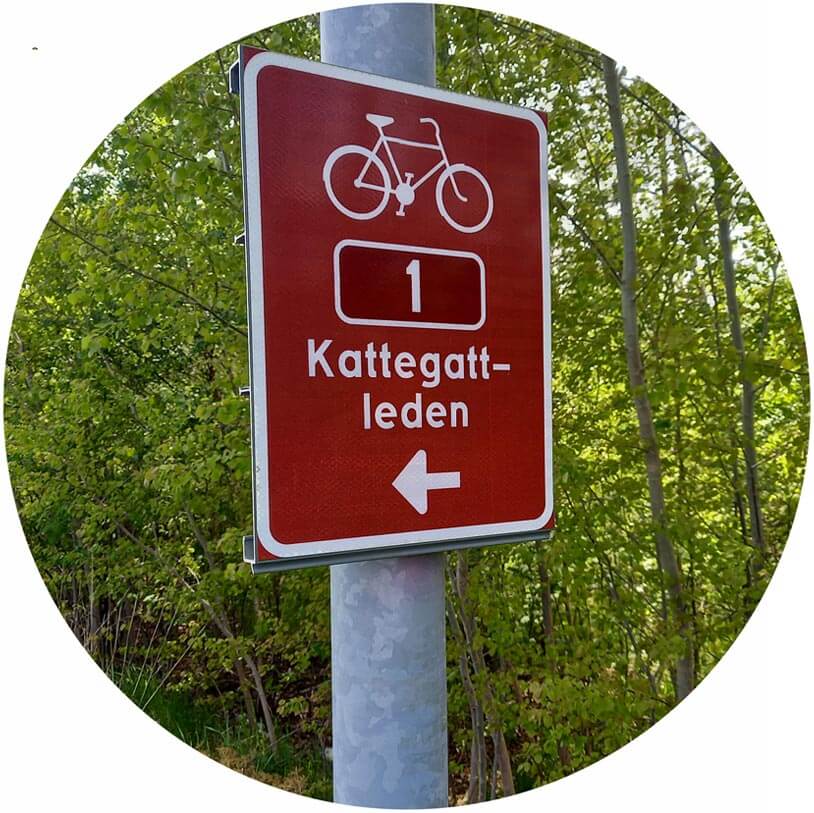
The project aims to explore a broader approximation of the western coastal territory of Sweden and its connection to the Kattegattleden bicycle path. It examines the links between landscape engagement, cycling-focused research, and art-based processes by mapping and developing a series of landscape transects through artistic site explorations on bicycle, which are disseminated in a visual catalog of natural littoral features.
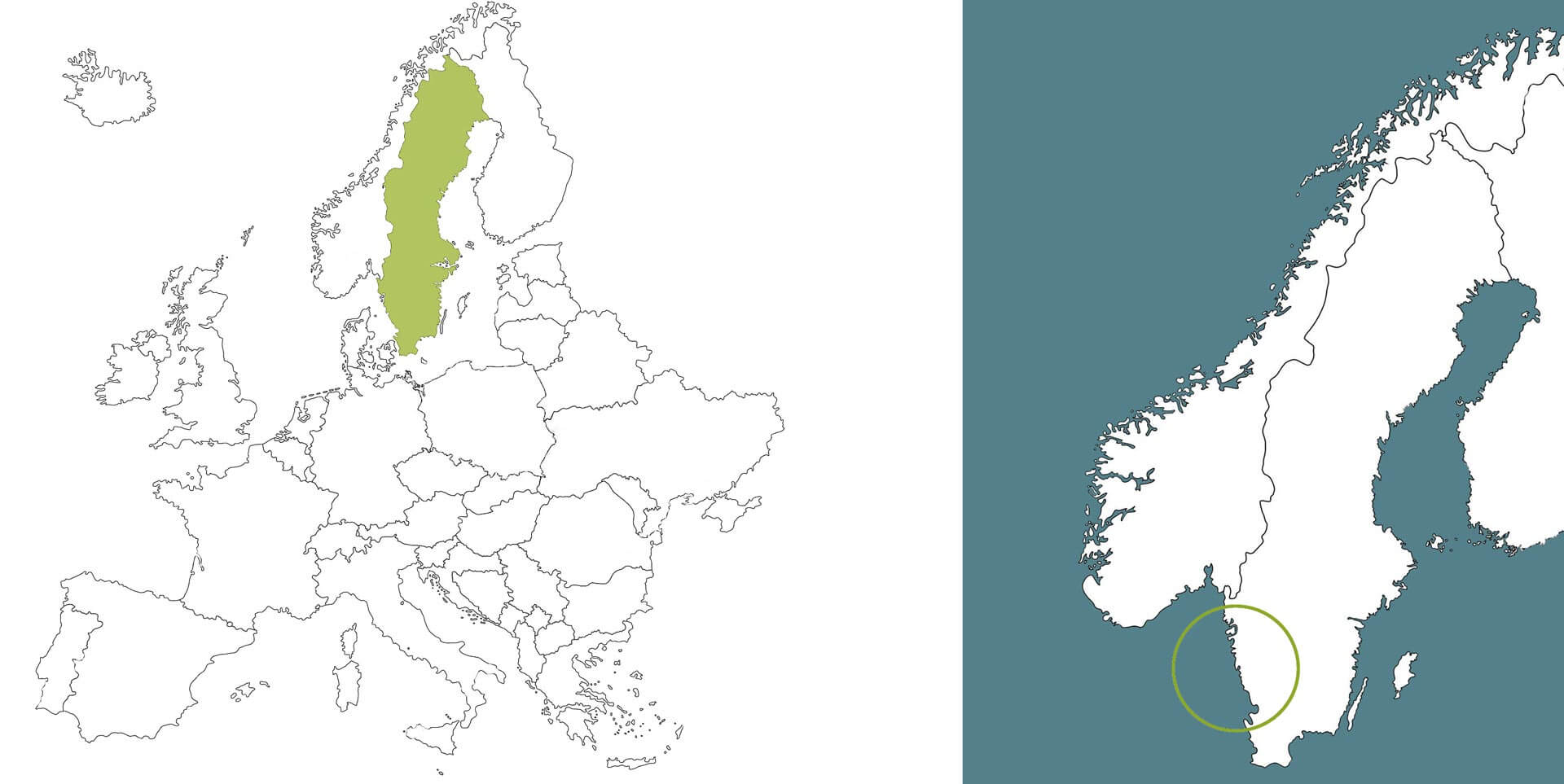

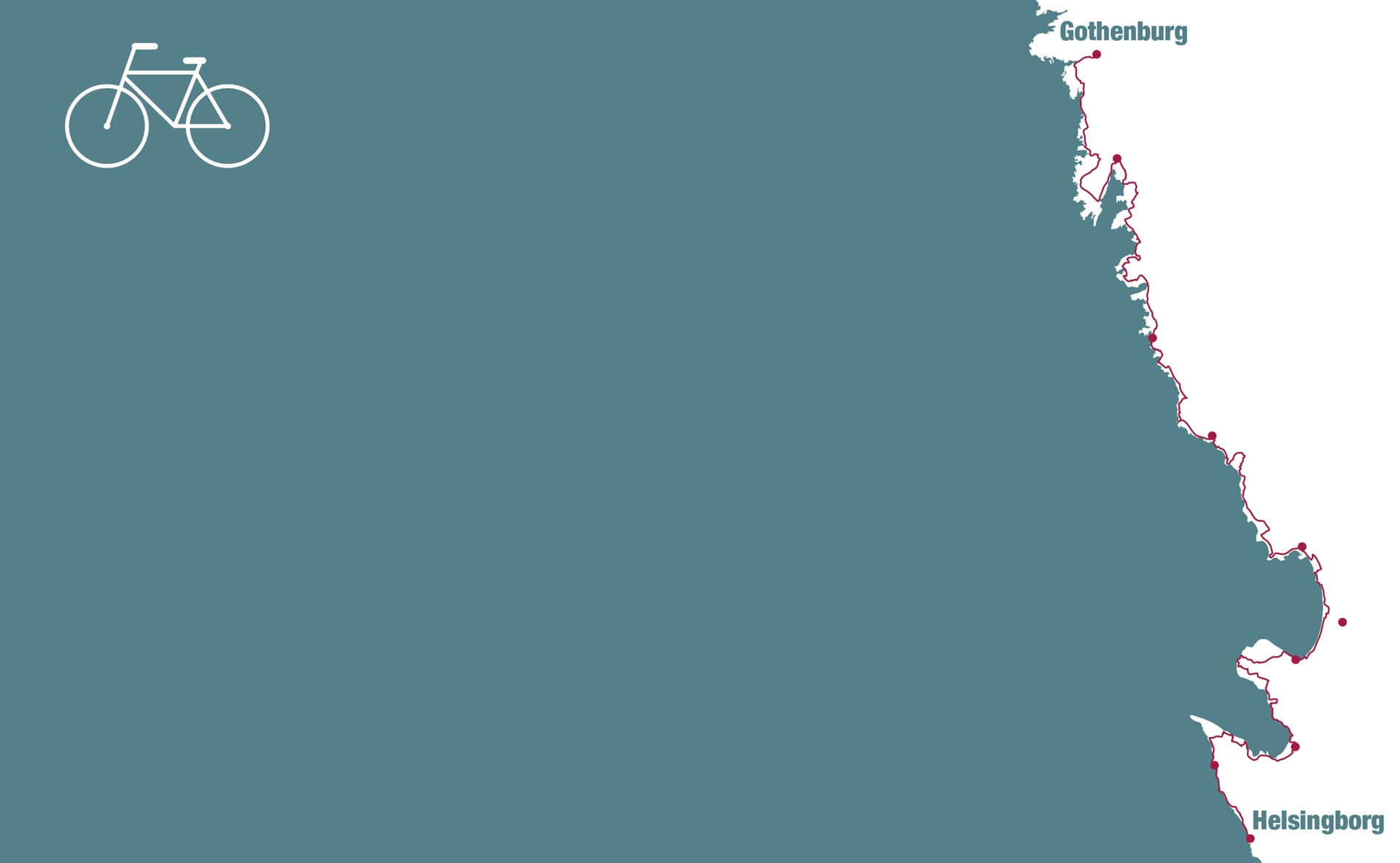
With the aim of exploring cycling as a means of interacting with and understanding the territory, Transects | Landscapes on Move, traces an itinerary through different landscape scenarios along a segment of Kattegattleden, a 390 km long cycle path that follows the coastline from north to south between Helsingborg and Gothenburg. Specifically, the landscape transects have been carried out along the cycle route between the villages of Åsa and Frillesås, in the municipality of Kungsbacka. This littoral along the Kattegat Strait is characterized as a complex and diverse territory formed by a series of evolving scenarios between sea and land, which comprise several interconnected ecotones.
Furthermore, this aquatic-terrestrial ecosystem includes an important biodiversity that identifies it as a sensitive landscape of high ecological value.
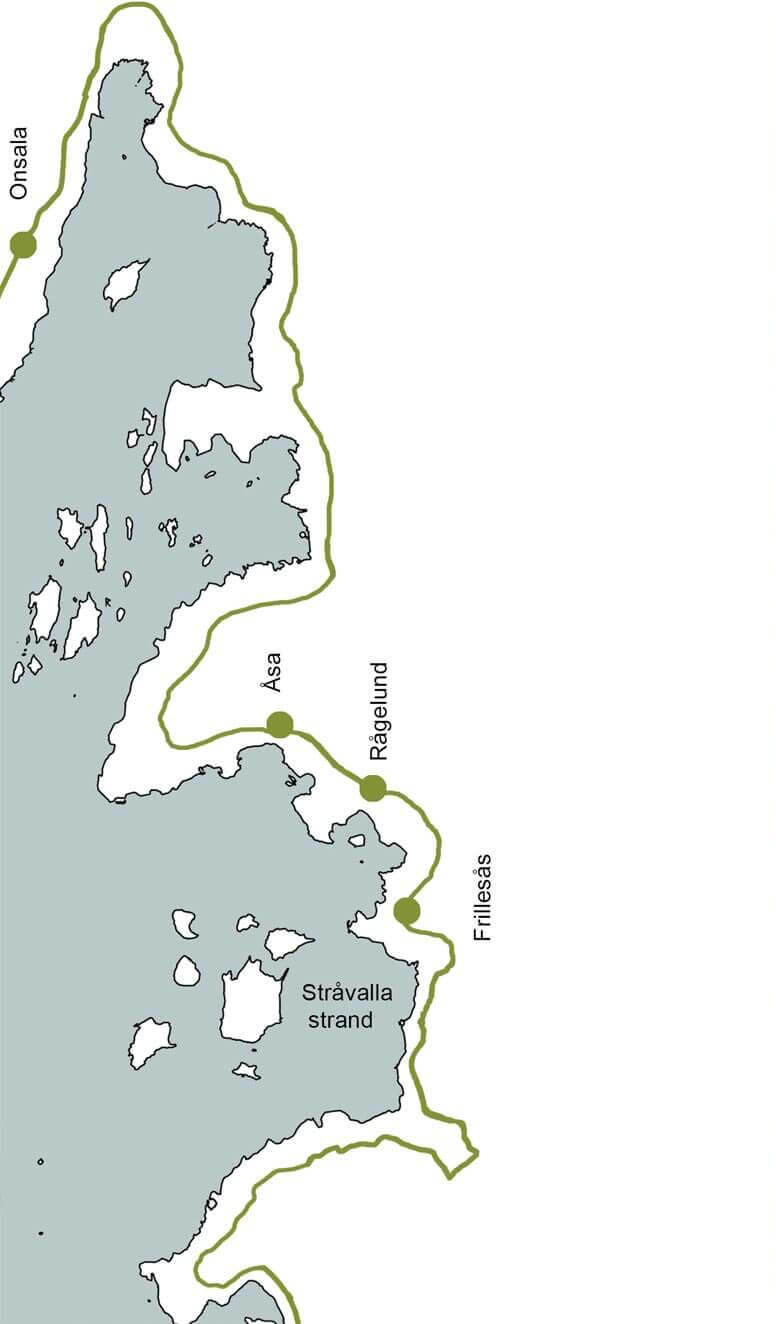
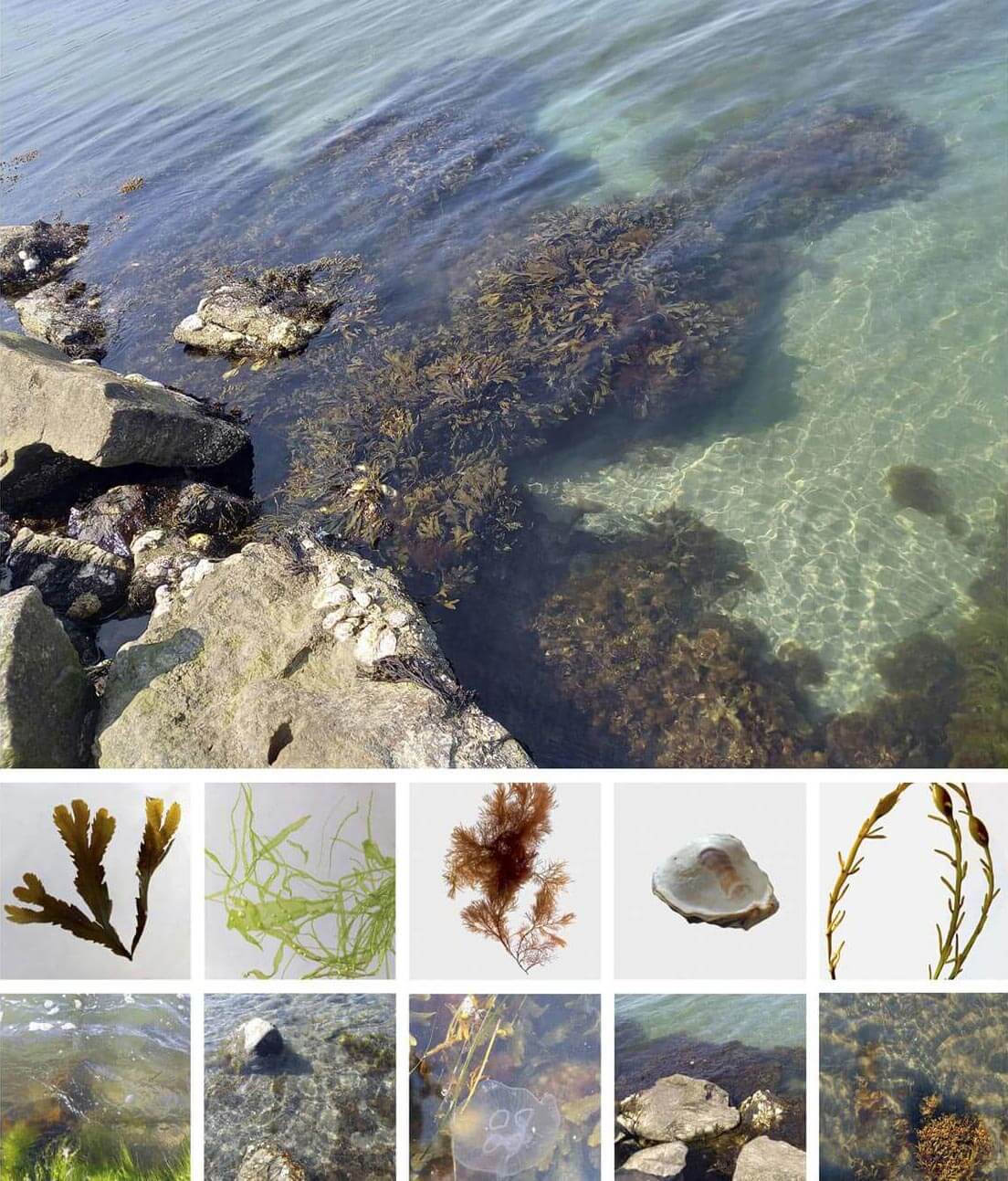
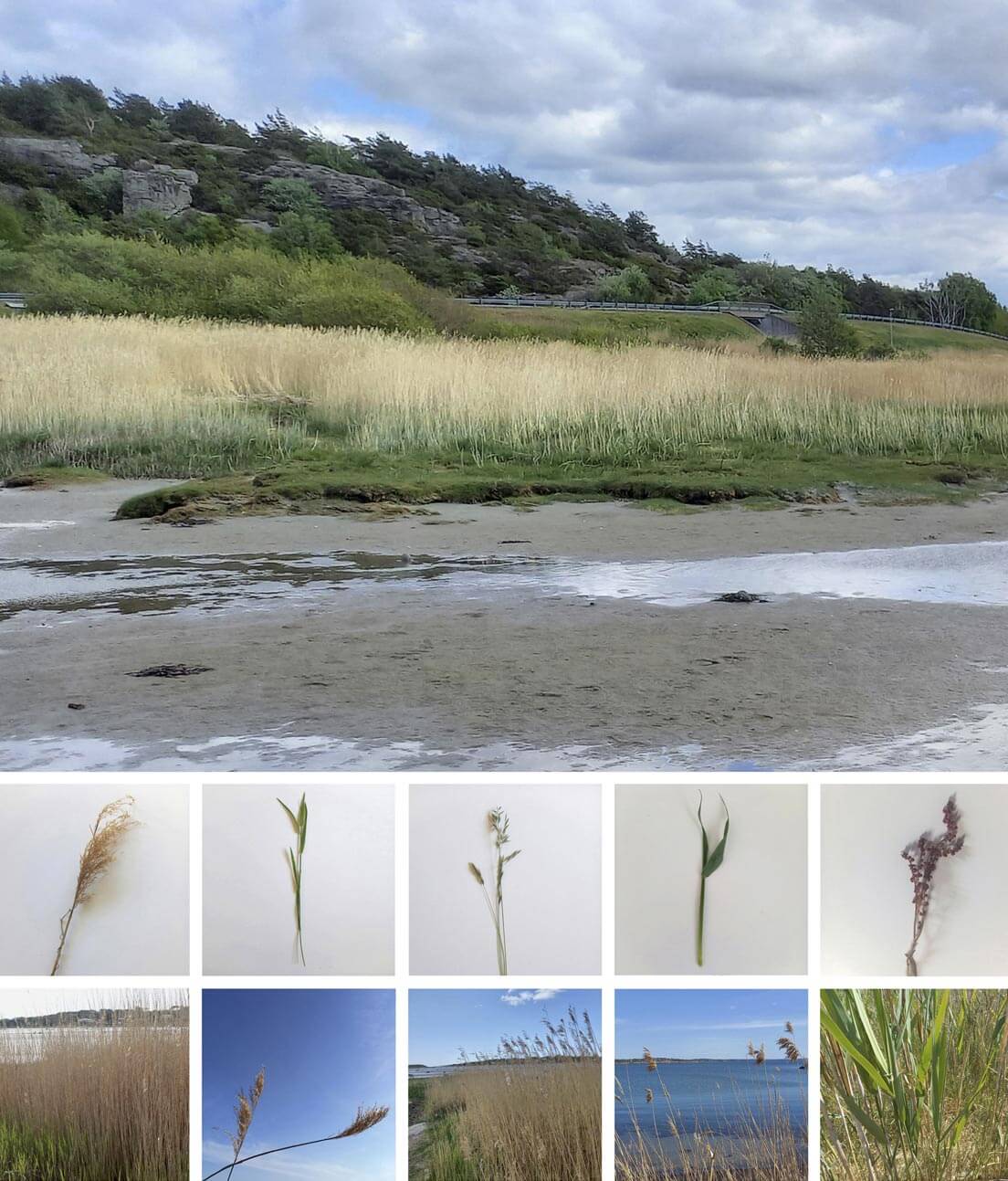
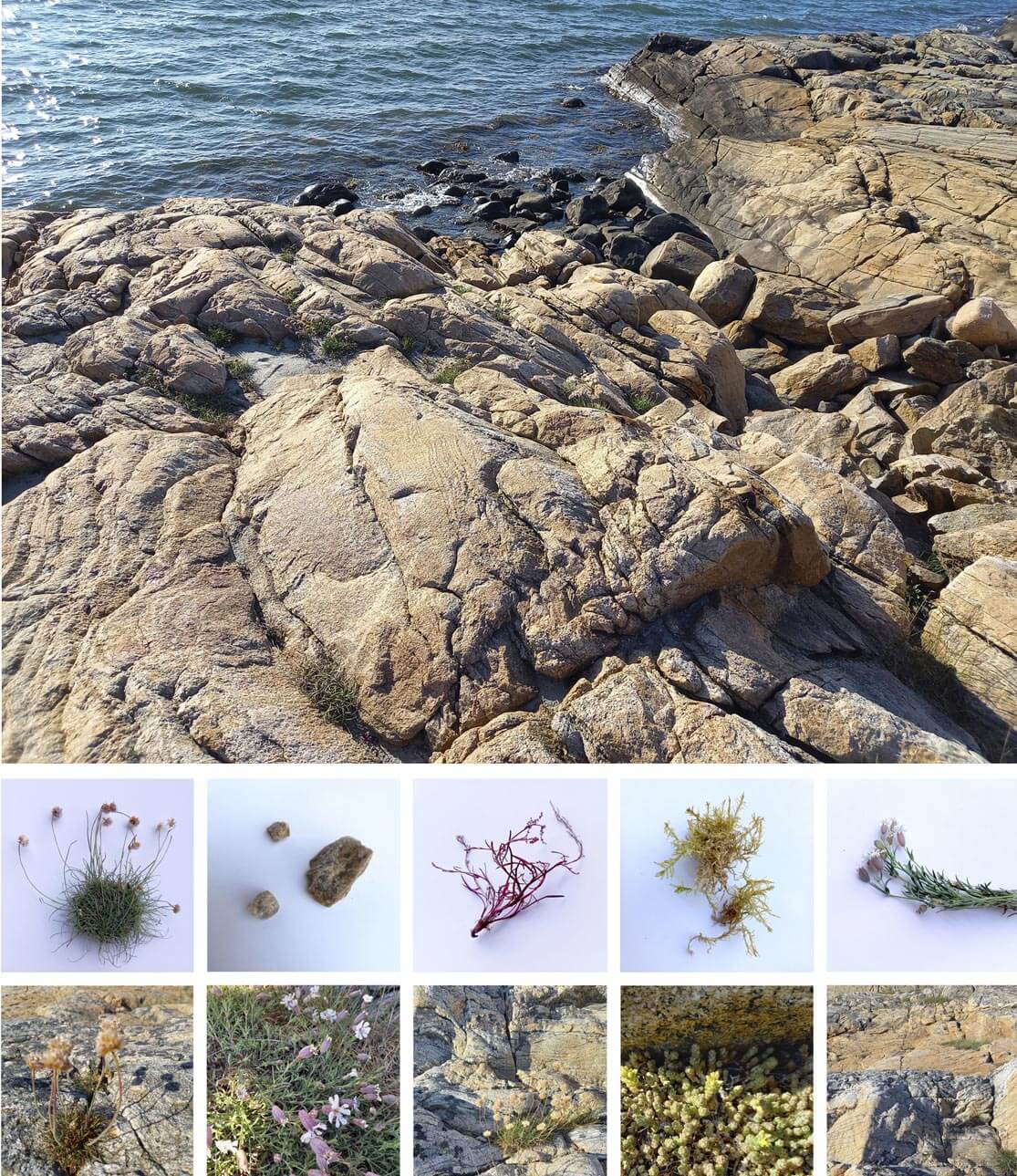
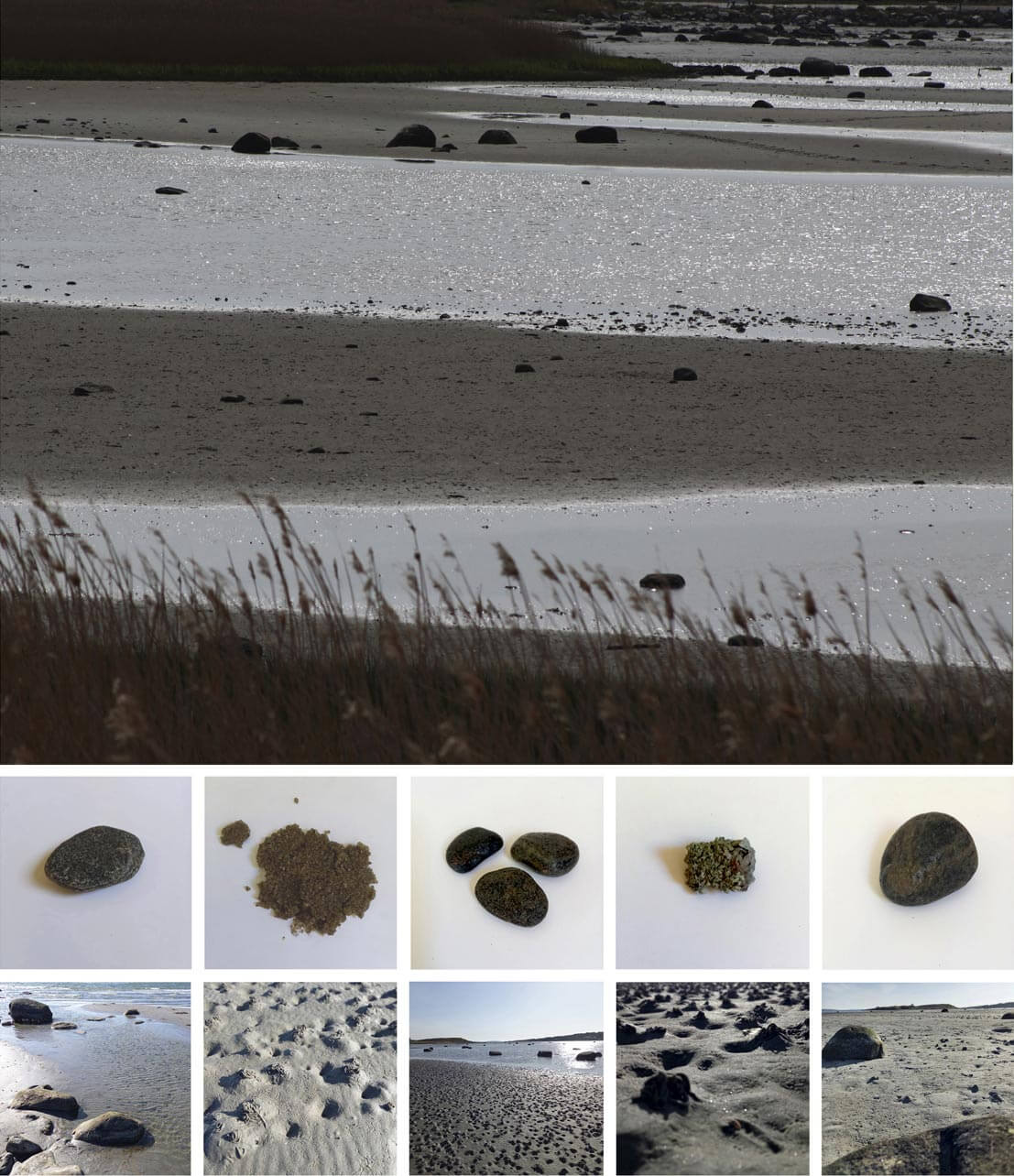
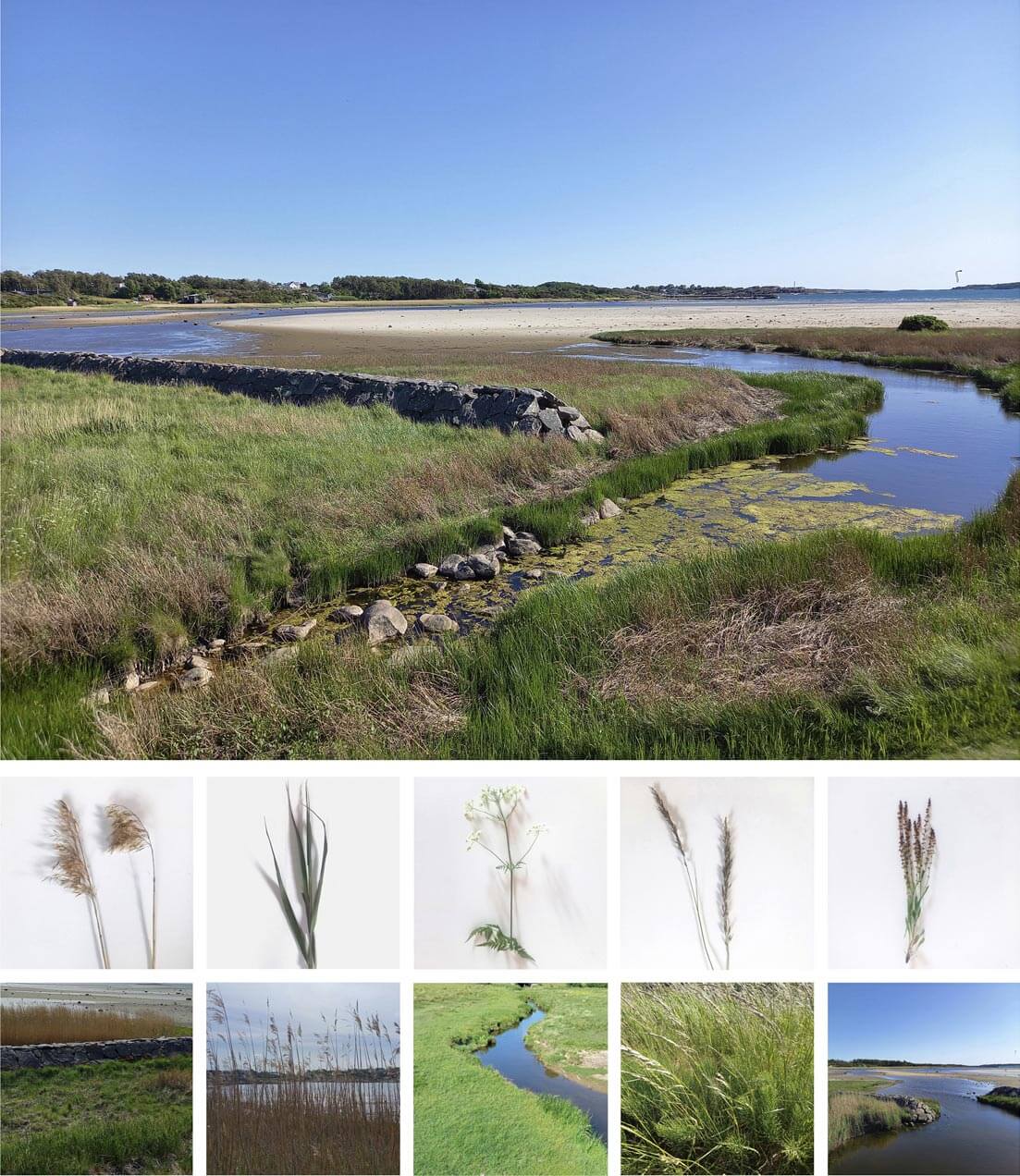

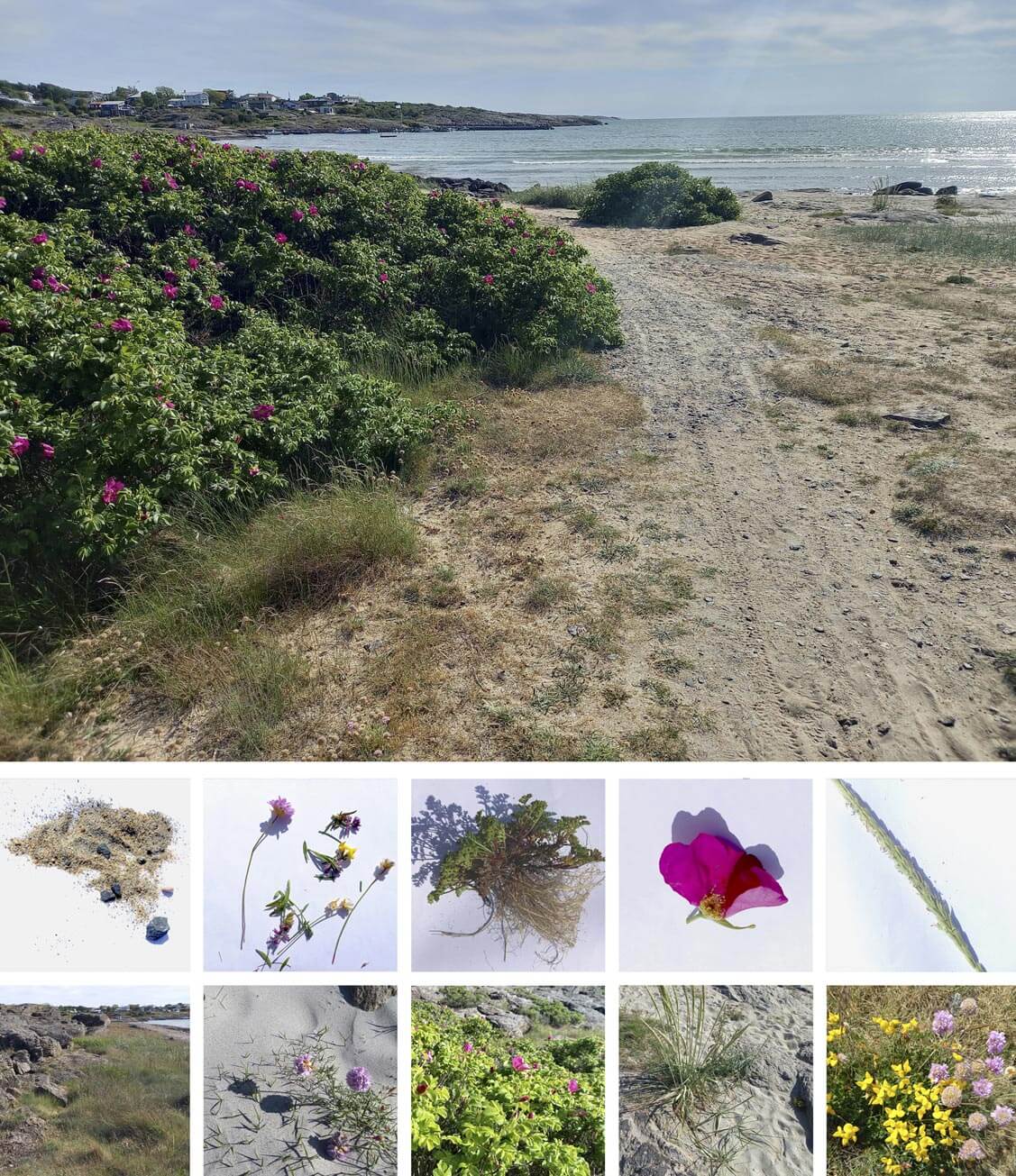
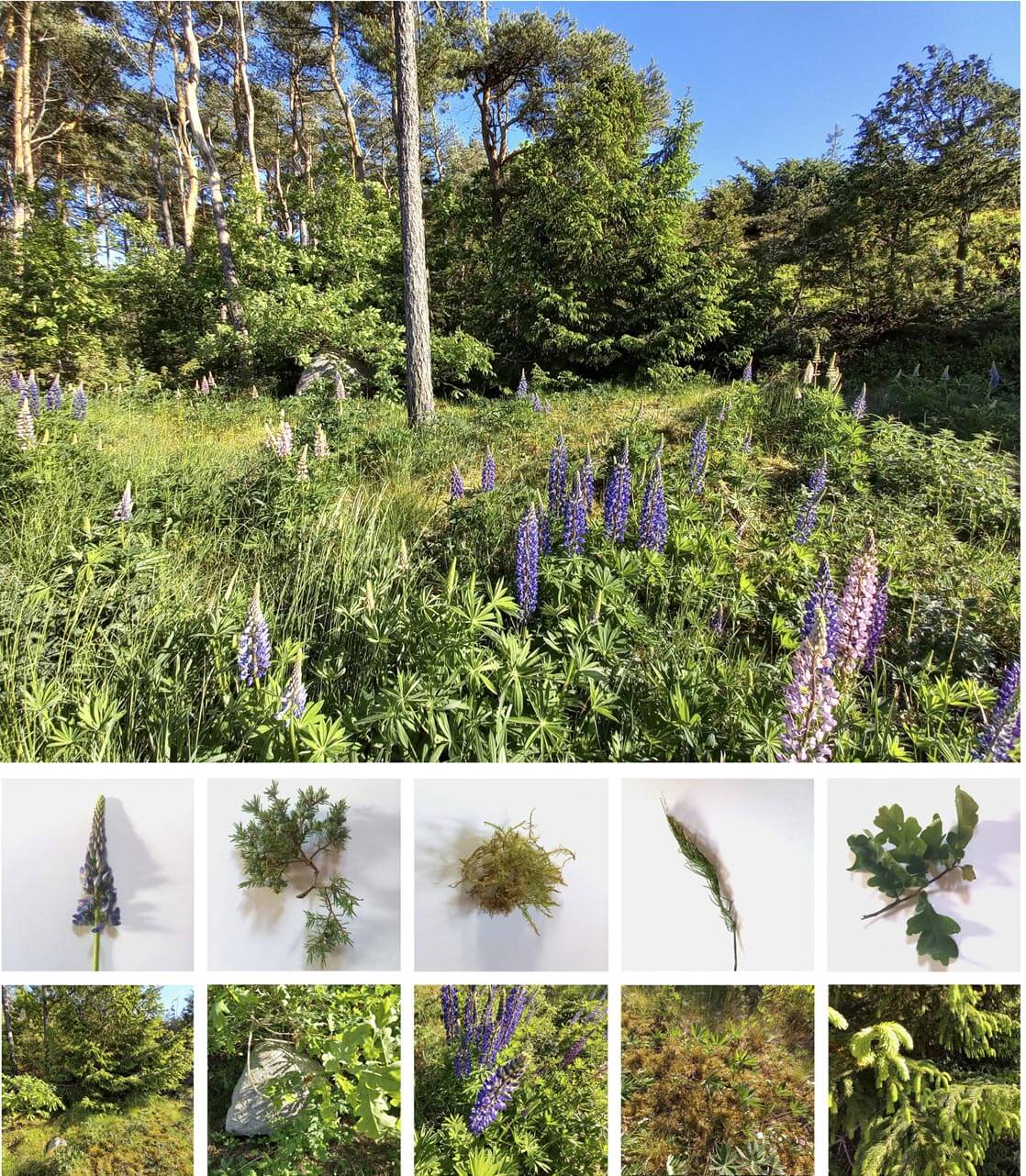


In this context, a variety of coastal landscapes have been examined, ranging from sand and stone bays, rock formations, river estuaries, dunes, meadows to coastal forests. The site-based research maps and documents this fragile coastal territory as a living-experimental laboratory, documenting landscape features while identifying and highlighting existing connections between land and sea.
With this approach, the North Sea area of the Kattegat Strait is established as the geographical and conceptual epicenter for the development of the research initiative where the main premise focuses on the idea that the artistic-cycling process is directly related to this territory. Through in situ experiences and mind ecologies, the art-based research approaches the natural environment through on-site mappings, leading to the creation of a visual catalog of natural features.
The research is predominantly carried out through cycling activities, complemented by walking and swimming-snorkeling transects. In addition, the project and dissemination were conducted in the framework of the LandArt (X)sites Biennial, an exhibition concept in which artists active around the world create site-specific temporary works of art in landscapes connected to the bike paths.