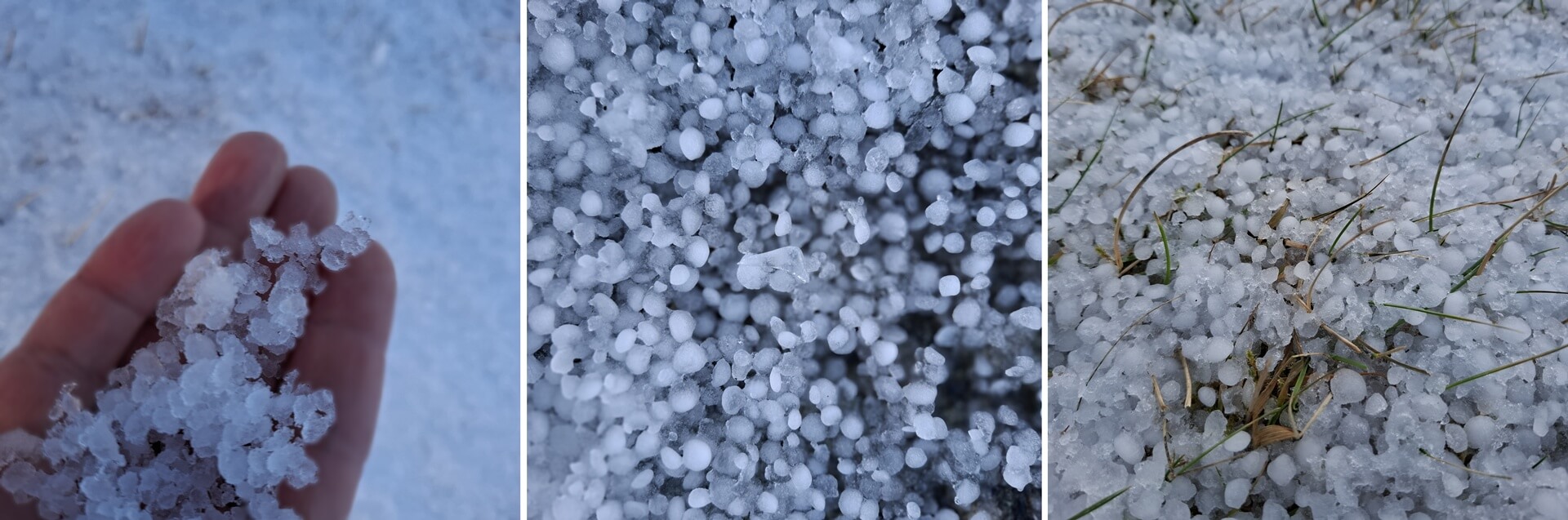
The project explores snow landscapes in dialogue with bodily experience and the senses. Feeling, touching, walking. Modeling the snow, tracing and marking silhouettes. Wind, light, low temperatures; natural dynamics that offer different tactile experiences
How does tactile experience enhance the understanding of Nordic snowscapes?
How can we establish connections with snowscapes through our haptic sense?
How does embodied landscape consciousness contribute to Nordic environmental awareness?
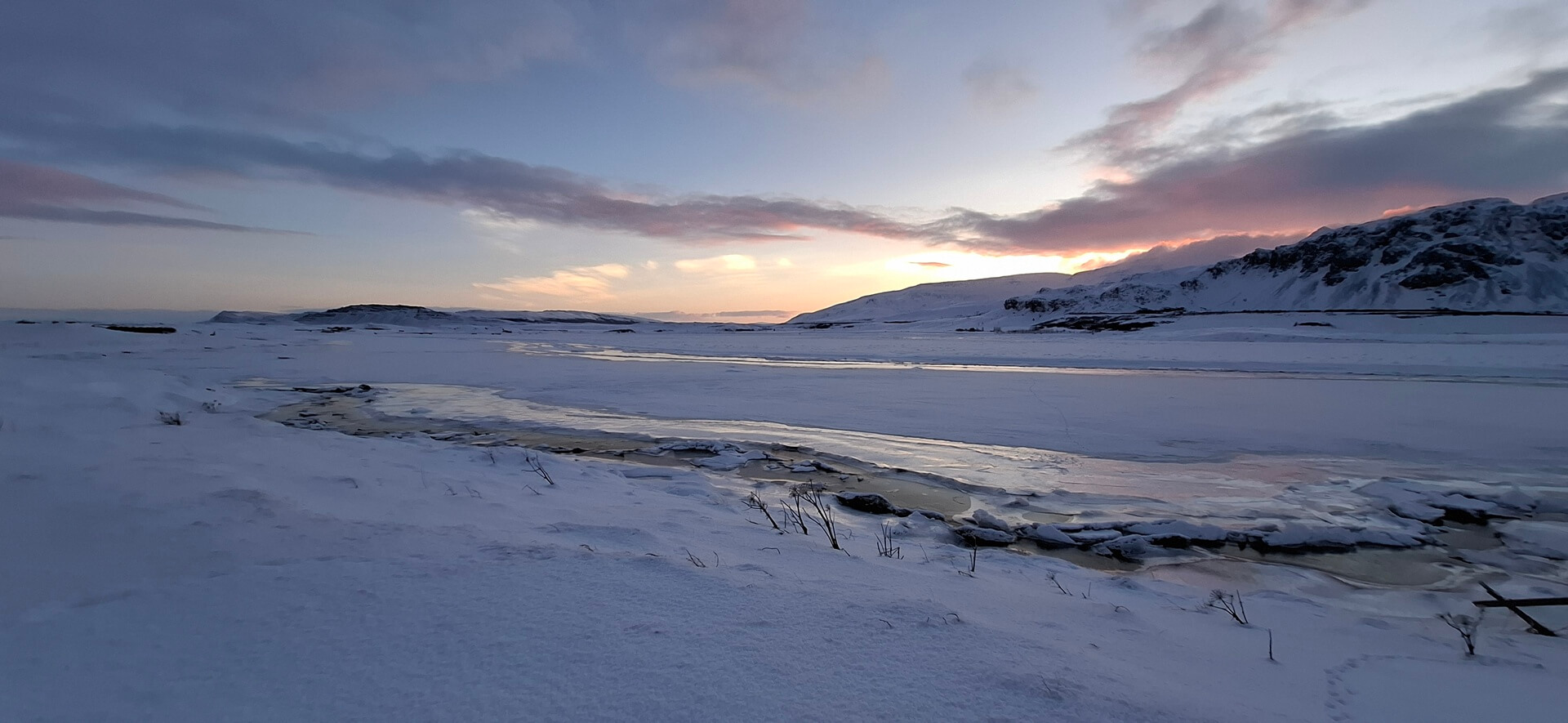
In reflecting on how to become aware with our Nordic landscapes, a significant approach focuses on the senses, and, in particular, in the haptic sense as a tool for understanding and enhancing connections with our natural environment. This aesthetic and experiential approach, understood as a perceptual and cognitive insight to the territory, is significant to generate reciprocal dialogues on the relationship between the human body's experience and the surrounding environment.
The Icelandic landscape, shaped by its geographic location, its geological activity and its insular condition, presents a unique ecosystem between glaciers and volcanic-lava scenarios, which manifests through distinct seasonal variations. Therefore, Icelandic landscape are characterized by a variety of groundwater and surface water landscapes occurring in different states: liquid, gaseous and solid.
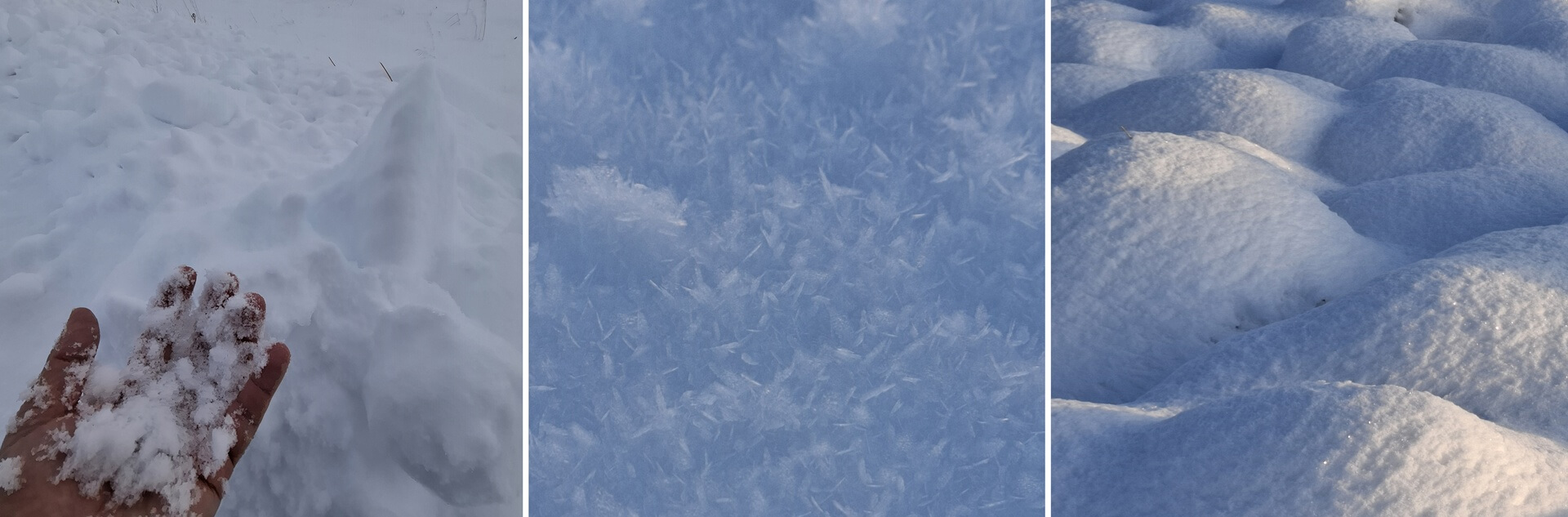
With regard to water landscapes in a solid state, snowscapes are distinguished as landscapes in constant transformation closely connected with temporalities and seasonalities. This particularity identifies Icelandic snowscapes as a fragile and dynamic environment of great plasticity that generates unique transitory atmospheres, where snow manifests itself in different forms and physical states, describing its temperature, density, texture, hardness, humidity, as well as its stickiness, adherence, compressibility, moldability and, above all, ephemerality.
As a result, this unique territory acts as a living laboratory to explore and understand it through sensory experiences.

The exploration aims to enhance experiential approaches that embody the notion of winter landscape by emphasizing its attributes
In this context, and with the intention of exploring a broader approach to the aesthetic, perceptual and environmental aspects, the present work presents a series of documentations, site-explorations and interventions focused on examining the poetry of tactile landscapes in relation to Icelandic winter scenes through the interconnection of bodily experience and landscape consciousness.
The practice-based research aims to raise awareness and understanding of this Nordic environment across site experiences and cognition of snowscapes through the body.
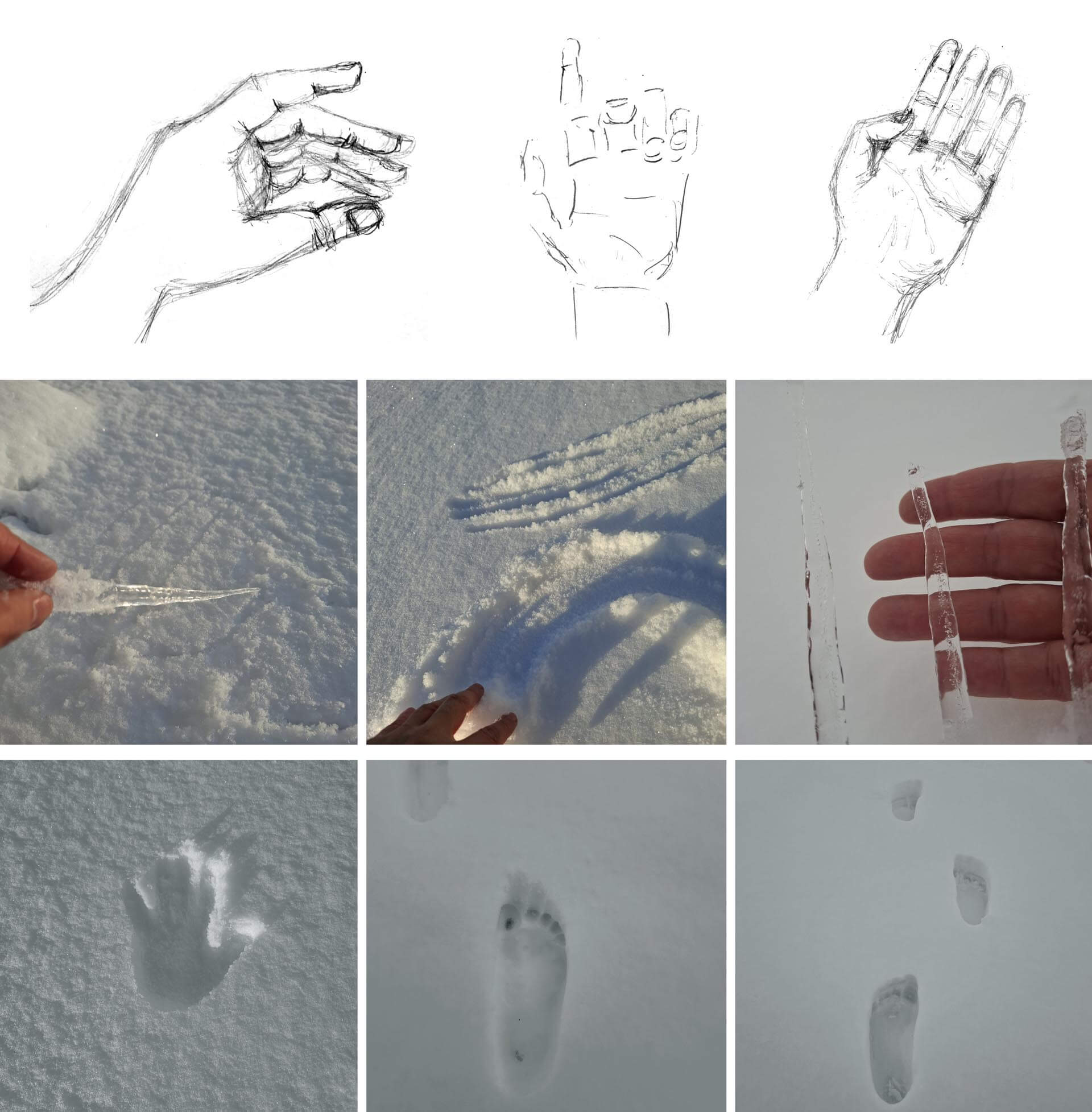
Shaping and modeling the snow, tracing and imprinting in the snow. Walking, touching, sensing, feeling. Dialogue between time, physical substance and landscape, as an experience that unveils diverse tactile qualities. Wind, sunlight, low temperature; natural dymanics that provide a sensitive approach to snowy landscapes.
During the research process, a series of photo documentations and site-actions intertwine various snow-covered locations with the sensory experience of touch. In this way, the research aims to raise a series of questions that broaden the understanding of in situ approximation, time-based and landscape concerns, through a dialogue between sensitive cognition, and environmental mindset.
With this perspective, a conceptual framework is proposed, as an experimental laboratory that explores haptic perception as a key source of cognition, and as a means of understanding the context, connecting tangible and intangible landscapes into experiences.
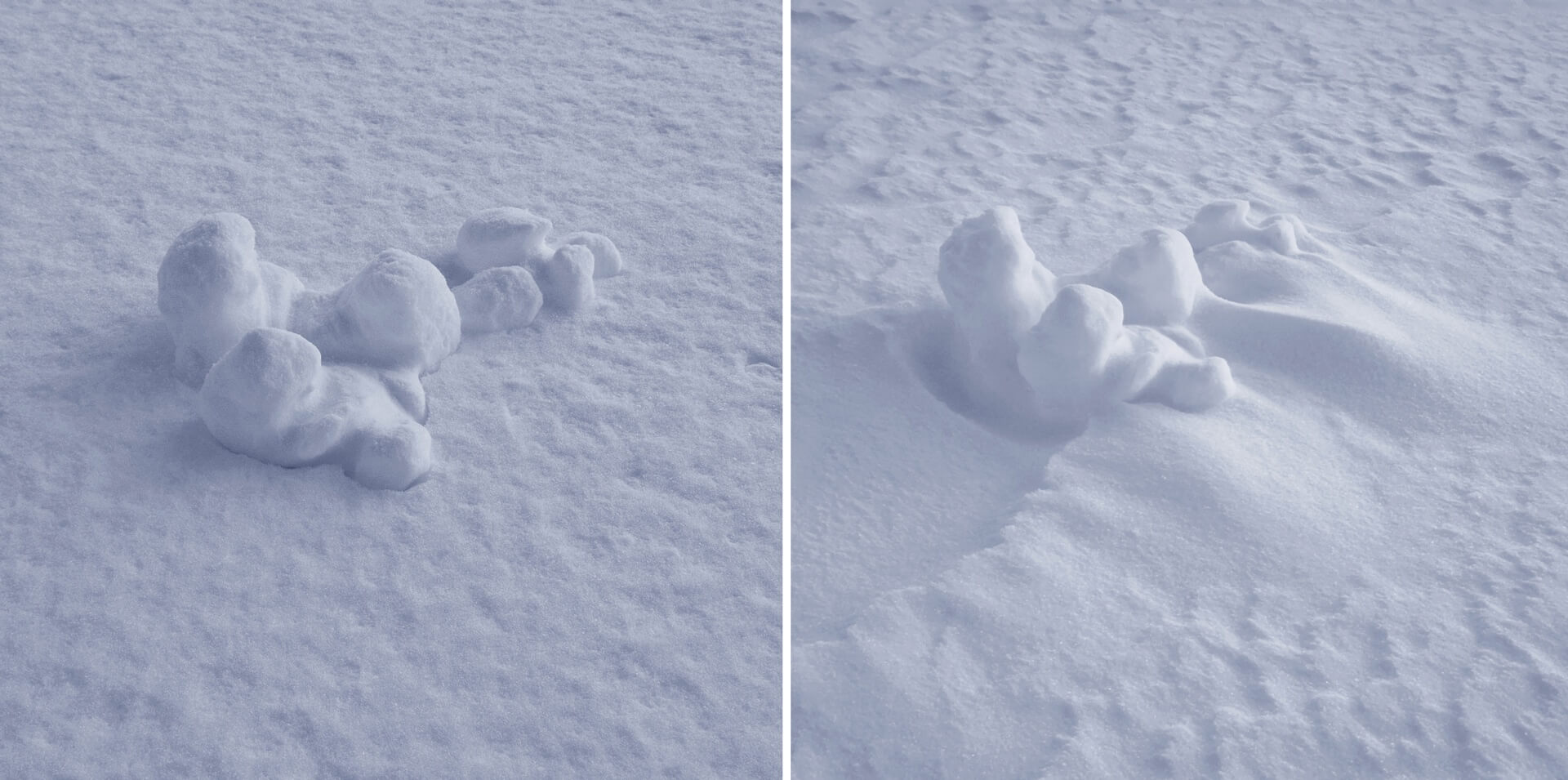

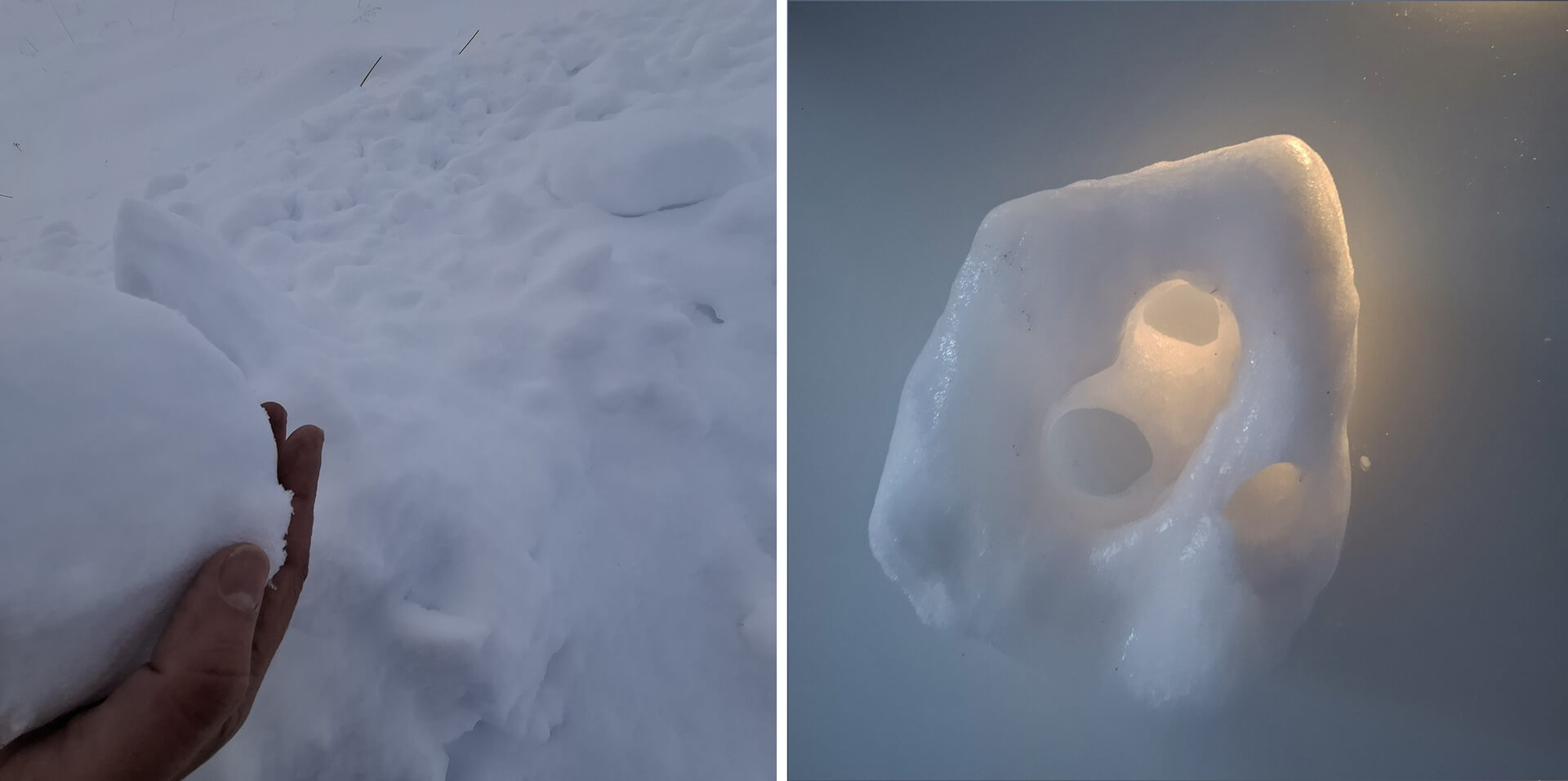

Exploration of the ephemeral state of snowy landscapes through various in situ actions, intertwining different landscapes of Iceland with tactile experience. Understanding place and time through corporeal senses.