Icelandic Scape
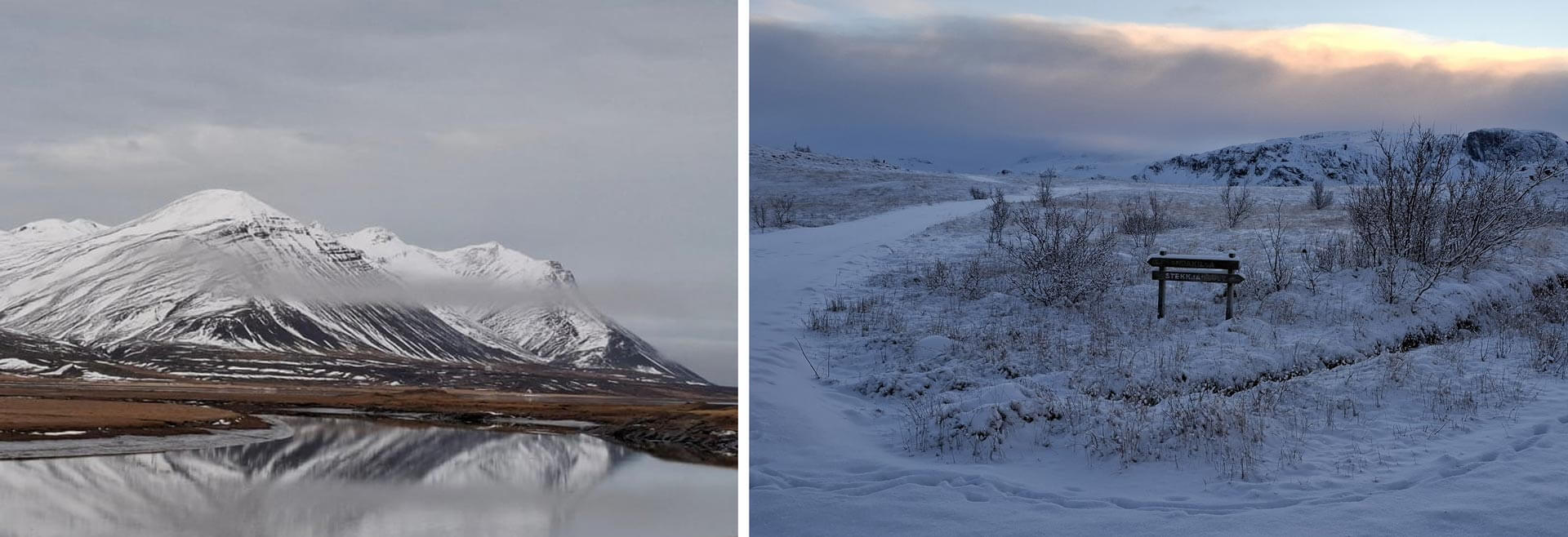
The diversity and singularity of the Icelandic landscape identify it as a sensitive and fragile territory of significant ecological, patrimonial, and aesthetic planetary value. A dynamic landscape in which physical, biological and cultural interactions constantly mold this unique territory.
The particularity of Iceland's natural landscapes is a consequence of its island condition in the North Atlantic, as well as its geographical location at the confluence of the North American and Eurasian tectonic plate boundary.
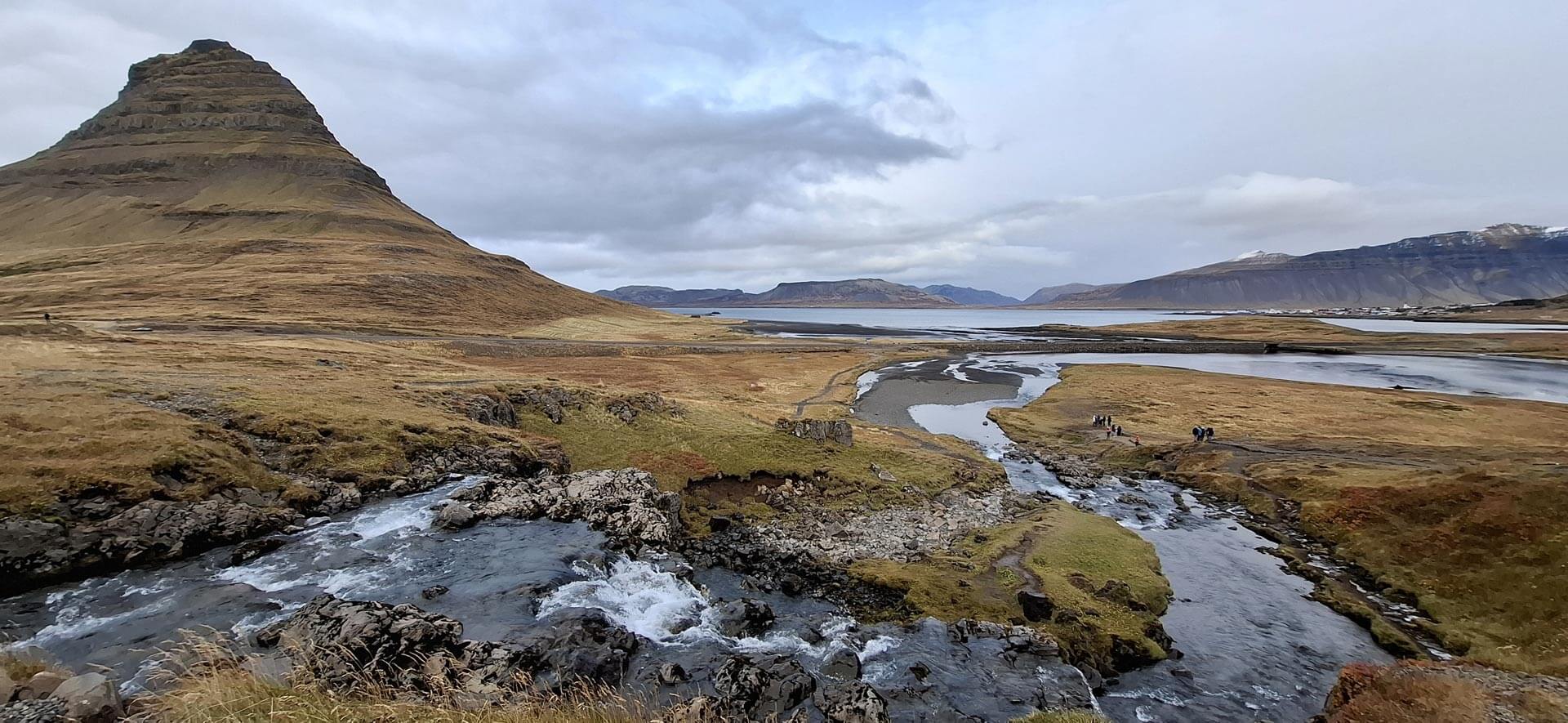
These unique characteristics are expressed through diverse aquatic and terrestrial ecosystems, which encompass a range of natural scenarios. From geological landscapes, such as volcanoes, lava fields, and black mountains, to tectonic and rift zones. From aquatic landscapes, manifested in lakes, waterfalls, and rivers, to glacial and ice landscapes along with geothermal landscapes, expressed in geysers and hot springs; and from its tundra landscapes and birch forests to its coastal landscapes, manifested in fjords, wetlands, marshes, river estuaries, and sea cliffs.
ICE & FIRE
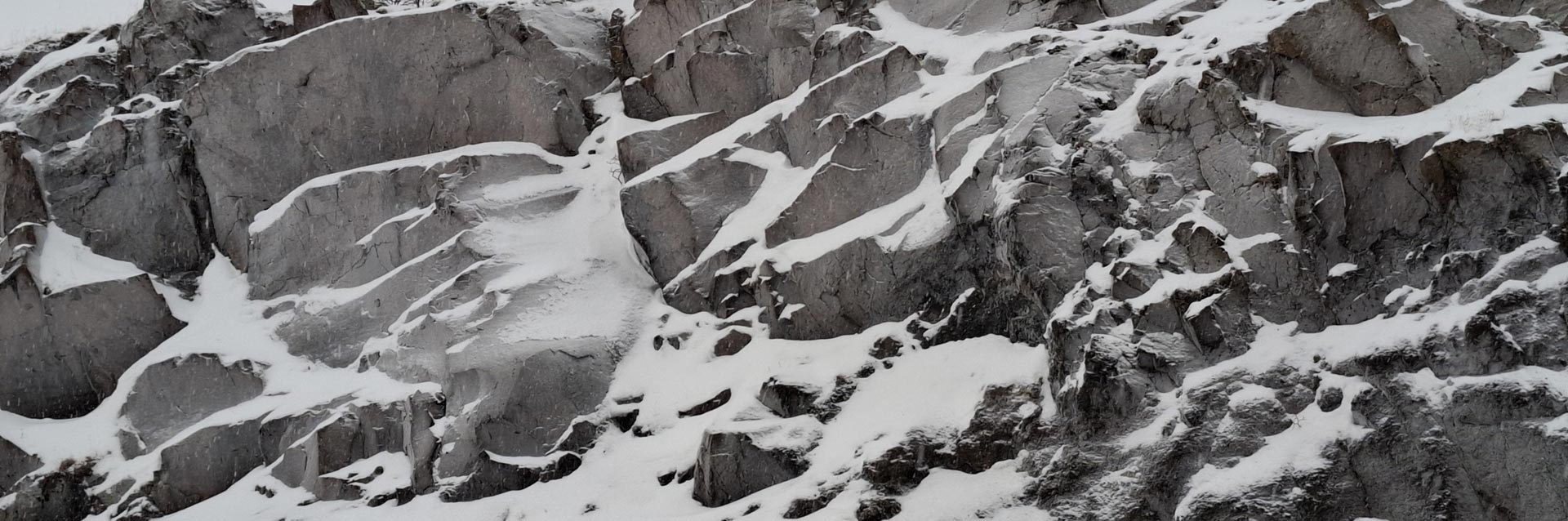
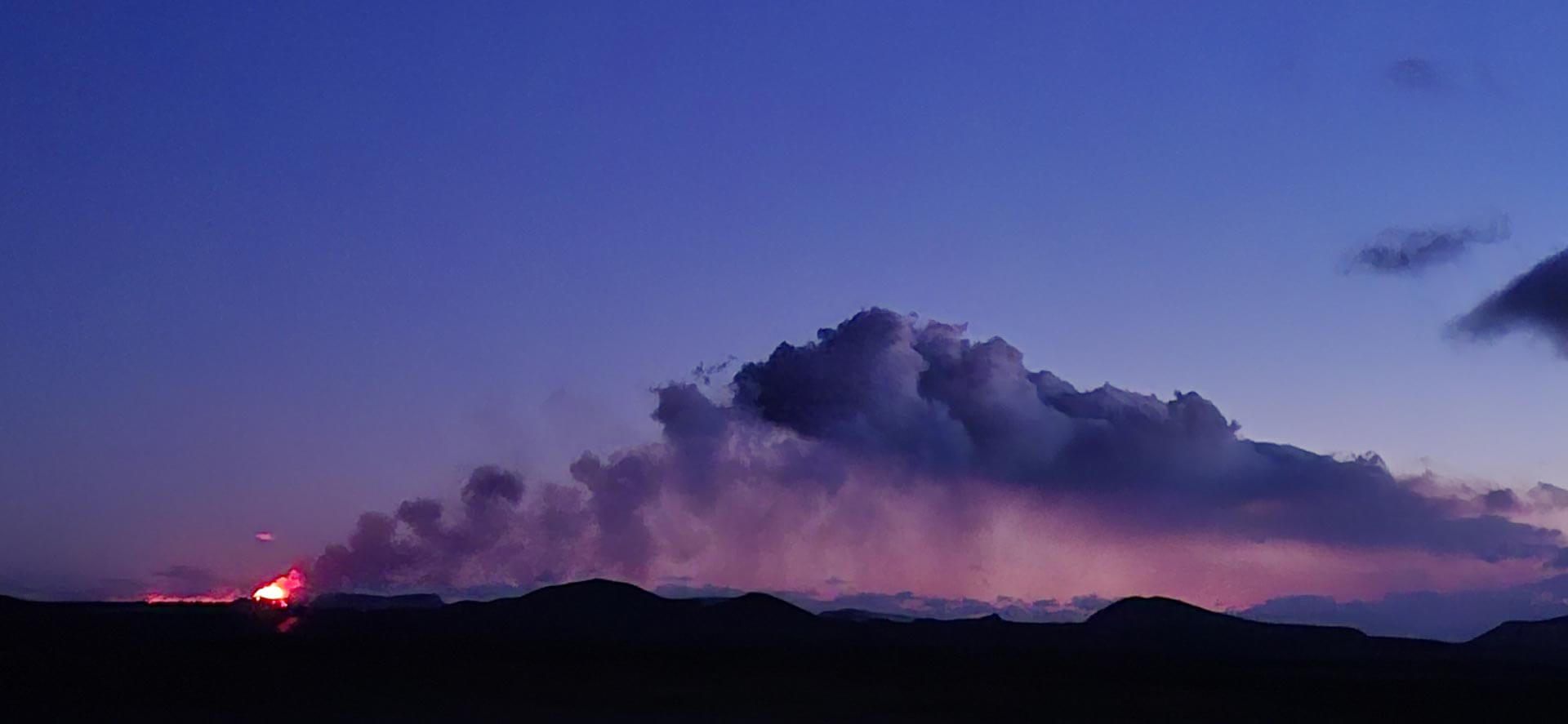
Iceland's unique landscape is also a result of its close interaction with natural elements such as water in its forms of ice, liquid, steam, as well as fire-related elements such as liquid lava and solid volcanic rock, all manifested throughout its geography
These unique characteristics are expressed through diverse aquatic and terrestrial ecosystems, which encompass a range of natural scenarios. From geological landscapes, such as volcanoes, lava fields, and black mountains, to tectonic and rift zones. From aquatic landscapes, manifested in lakes, waterfalls, and rivers, to glacial and ice landscapes along with geothermal landscapes, expressed in geysers and hot springs; and from its tundra landscapes and birch forests to its coastal landscapes, manifested in fjords, wetlands, marshes, river estuaries, and sea cliffs.
AURORA
BOREALIS
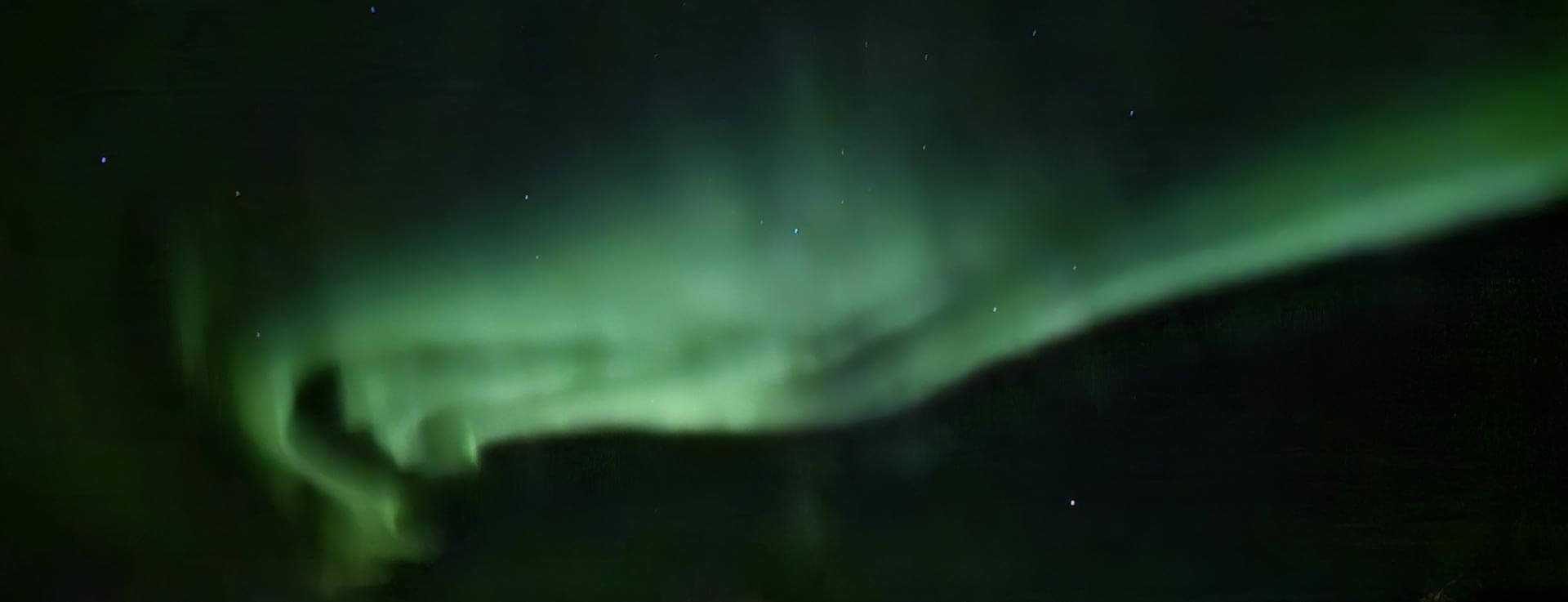
This territory is also shaped by its atmospheric phenomena, such as the aurora borealis, in which the vault of the night sky is the setting of a light and motion event caused by the interaction of the solar wind and the Earth's magnetic field.
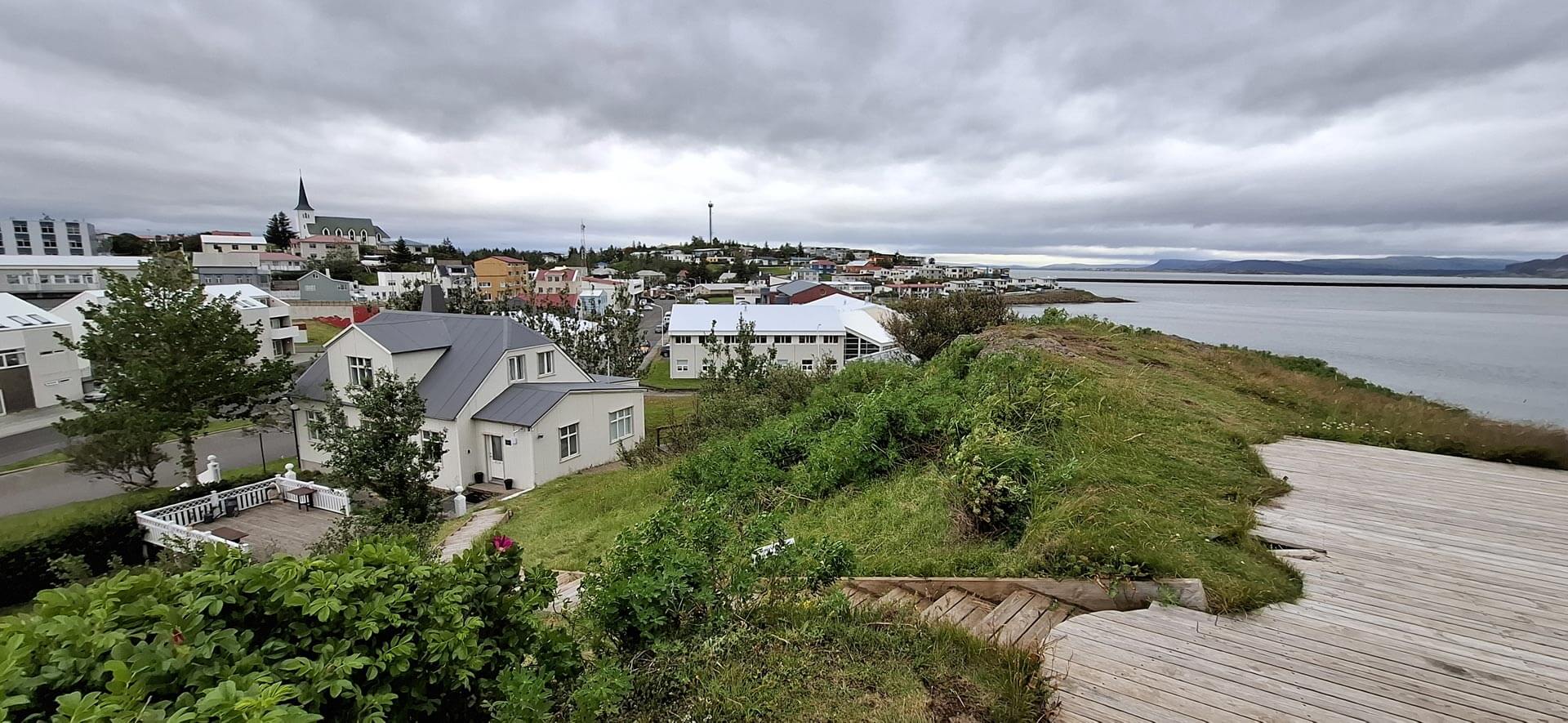
In terms of the Icelandic cultural landscape, over the course of history its inhabitants have established a close dialogue with this natural environment, manifested through various expressions, traditions, activities, and crafts that constitute an intangible heritage of significant value.
Iceland's cultural landscape is manifested from its origins through its language and literature, specifically through its sagas and poems, an intangible heritage of great contribution to medieval Nordic literature. In addition, landscape integration is also appreciated through its vernacular architecture, represented in the historical Turf houses, founded by volcanic rock walls and covered by layers of turf, for climate isolation, being today an excellent example of integration with the ecosystem.
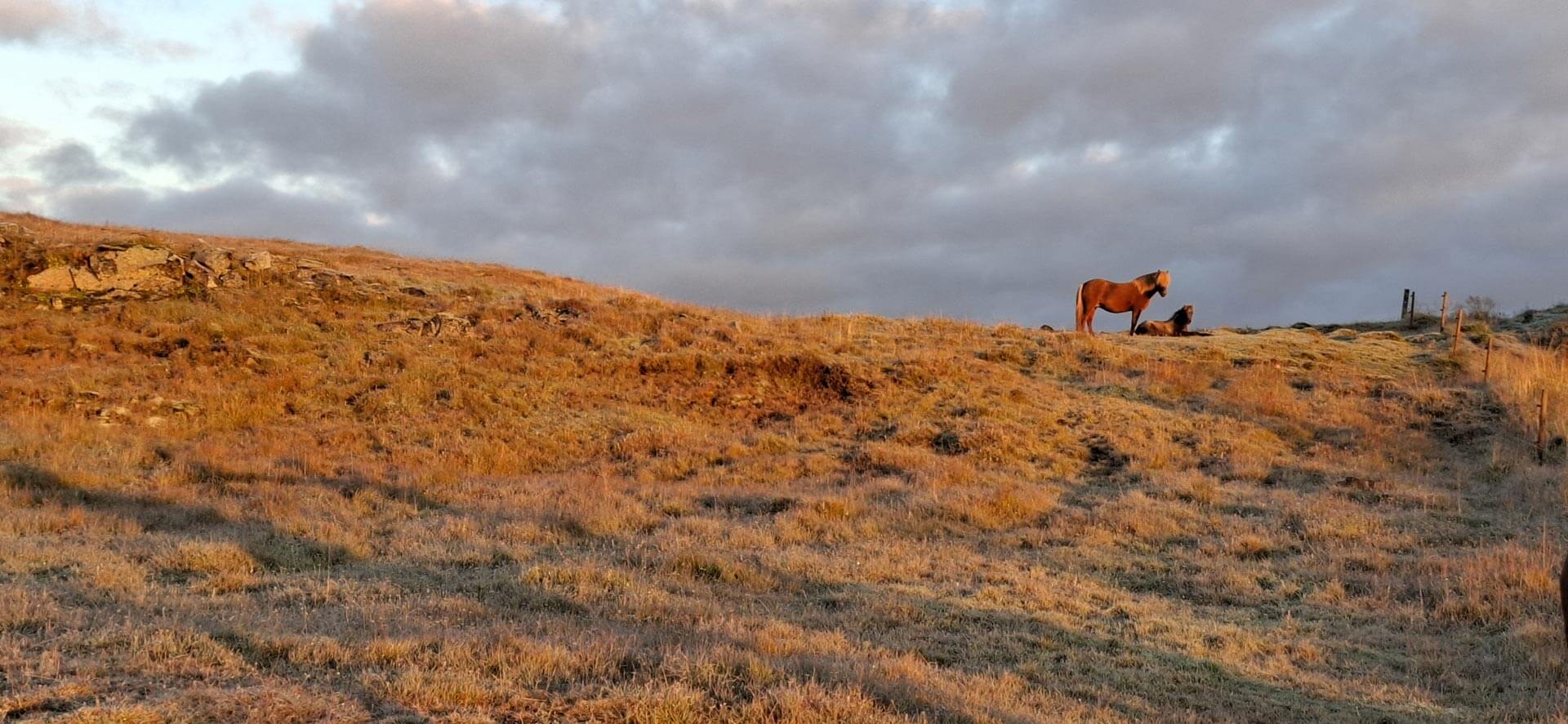
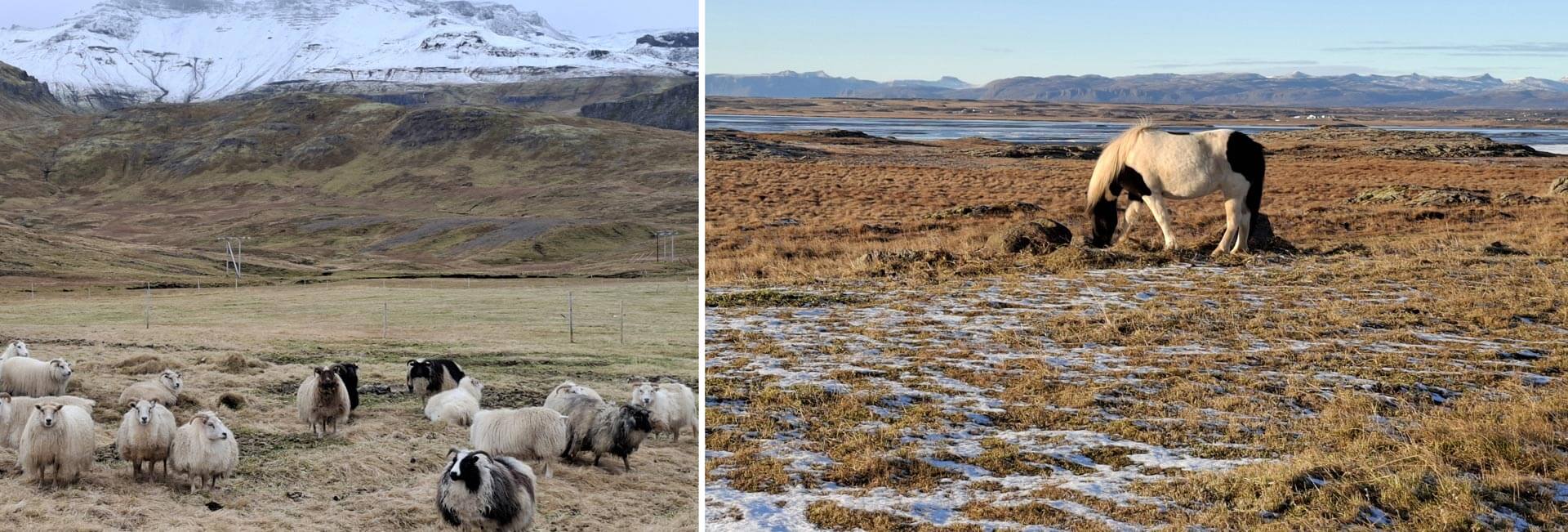
In addition, its cultural landscape is also present throughout the territory of extensive grasslands where various agricultural activities are developed, mainly based on native sheep, cattle and horses that feed on native grasses and pasture plants. The agricultural landscape inland is also related to the coastal landscape; its proximity to the ocean facilitates various fishing activities, which gives rise to the configuration of numerous communities along the coast closely linked to the sea. These agricultural and fishing activities are also reflected in its unique gastronomy and diverse cultural traditions.
As a result of this dynamic landscape interaction, associated with its natural features, biodiversity and community environmental practices, Iceland's landscape provides a contextual framework of significant value. Landscape-frontier; a place of ecological-dynamic interaction in constant evolution.
LIVING-RESEARCH LAB
With special emphasis on biodiversity, resilient, self-sustaining ecosystems, the cross-disciplinary approach of our initiative considers the landscape of Iceland as a living-laboratory —a territory for knowledge, exploration, co-creation and resilience.
A main goal of the Icelandic Nordscape Laboratory is to engage with the local territory, approaching it as a contextual and conceptual framework for phenological, biological, ecological and social research.
In this way, the Icelandic landscape, understood as evolving territory, provides questions, reflections and addresses specific site-actions, configuring a constellation of environmental initiatives. From this context, a series of approaches emerge that establish a dialogue and ways of coexistence between the territory and its inhabitants.
Living-lab as a territorial-conceptual framework in which a series of landscape explorations are examined in connection with its biocultural dynamics and life cycle event.